0%

Introduction

Goldman Sachs has a robust control framework in place to prevent and detect financial crime. But our best defense remains the actions and instincts of our people and our collective commitment to doing the right thing.

The Financial Crime Compliance (FCC) mandate is to manage and mitigate legal, regulatory, and reputational risk by preventing and detecting money laundering, terrorist financing, bribery, corruption, government sanctions violations, and other forms of misconduct by the firm, employees and clients.

This training focuses on Anti-Money Laundering and Government Sanctions, providing you with the knowledge to identify and report potential concerns through FCC or Divisional Compliance channels.

Understanding these topics is critical to your role at the firm, regardless of your region, business, and day to day responsibilities.

Defining Financial Crime

Financial crime refers to a broad range of illegal activities that exploit the financial system for illicit financial gain and pose significant legal and regulatory risks to the firm, as well as to national and global economic security. Examples of financial crime include, but are not limited to, money laundering, terrorist financing, bribery, corruption and fraud, and can range from basic theft to large-scale organized operations.

The four main areas of focus as it relates to financial crime prevention and detection are:

  • Anti-Money Laundering (AML)
  • Government Sanctions
  • Anti-Bribery/Corruption
  • Anti-Fraud

This training focuses on AML and Government Sanctions and follows the Anti-Bribery/Corruption training you completed earlier this year.

Learning Objectives

At the end of this training, you should be able to:

  • Explain key concepts related to AML and Government Sanctions
  • Describe how we comply with AML and Government Sanctions laws and regulations
  • Recognize the requirements of the Know Your Customer (KYC) process
  • Identify red flags of financial crime risk and recognize when and how to escalate
  • Identify types of Government Sanctions and comprehensively sanctioned jurisdictions

Let’s get started.

Know Your Customer (KYC) Basics

Over the past year, the enforcement and regulatory environment remained aggressive from a financial crime compliance perspective, with approximately US$8 billion in fines issued to financial institutions for financial crime compliance failures. In addition to monetary penalties, these cases have resulted in asset caps, monitorships and restrictions on new business activity.

Fighting financial crime always begins with knowing your customer. Our first line of defense is responsible for knowing our clients (including how they derived their funds and wealth), understanding the activity they are transacting through the firm, and being alert to and escalating signs of suspicious activities.

Scroll down to continue.

Melanie’s Story

Select the arrow on the right to read Melanie’s story.

Melanie was assigned to cover a new client seeking Wealth Management advisory services. Melanie started by gathering some KYC information and learned that the client’s source of wealth came from a family business involved in arms manufacturing.


Once activity in the client’s accounts began, it came to her attention that a high volume of wire transfers were being made to a third party located in Uganda.


Melanie recognized the high-risk jurisdiction, so she reached out to Financial Crime Compliance, who investigated further and identified concerns with the third party’s business.

Scroll down to continue.


Always Stop and Ask Yourself Three Key KYC Questions

Conducting your due diligence and really taking the time to “know” your customer plays a significant part in protecting the firm.

Maintaining current and complete KYC information for our clients is important for addressing these questions. The firm’s “Rolling Review” program is designed to ensure that clients’ KYC information continues to be refreshed periodically.

Select each question to learn about what you are looking for.


  1. Who is the customer?

Be alert - the following customers may present heightened risk to the firm.

A customer who:

  • Is the subject of adverse media coverage, civil or criminal litigation, or has a history of criminal or regulatory infractions
  • Has a touchpoint to, or is located in a high-risk jurisdiction
  • Always check the firm’s country lists and note that countries on List 3c and 4 are considered high and highest AML risk, respectively
  • Has an uncommon or overly complex ownership structure without a clear and legitimate commercial purpose
  • Is a Politically Exposed Person (PEP) (i.e., a current or former government official or related or closely affiliated with a government official)
  • Has a high-risk, unclear, or uncorroborated source of wealth (e.g., cash intensive businesses, marijuana- related business, casinos/gaming)


  1. What is the nature of the customer’s business with Goldman Sachs and what is the customer’s expected activity?

Activity that is normal and expected for one customer may not be normal/expected for another. Knowing and understanding your customer’s expected activity will help you to better identify any unusual activity they may engage in.

Be aware of the following red flags when considering the nature of the customer’s business and their expected activity and escalate any concerns to FCC or divisional Compliance.

A customer who:

  • Is engaged in activity that is inconsistent with their known wealth (i.e., significantly outsized for their profile)
  • Is focused on keeping their transactions discreet, and specifically asks about how to conceal transactions from regulators
  • Proposes activities or transactions that are overly complex and do not make economic sense


  1. What is the source of the customer’s wealth or assets and source of funds?

Funds invested or traded must be legitimately obtained, and the customer’s source of wealth or funds should be consistent with their net worth and account activity.

A customer that refuses to identify their source of wealth or funds is a red flag that requires you to stop and escalate.


Be Aware

Subsequent to client onboarding, ongoing transaction monitoring is mandated to analyze activity for suspicious patterns and potential red flags. The firm and its subsidiaries are required by law to detect and report suspicious activity including attempted activity. Be aware of, and immediately escalate, customers who engage in any suspicious activity.

Suspicious activity can include any transaction or trade that:

  • May involve the proceeds of crime or is intended to hide or disguise the criminal origins of funds
  • Involves a violation of law or regulation (e.g., insider trading/ dealing, market manipulation/abuse)
  • Is intended to evade reporting requirements
  • Is unusual based on your understanding of the client, business, and cannot be reasonably explained

Other examples of potential suspicious activities are customers who:

  • Transact in a manner that deviates from stated or understood expected activity
  • Engage in rapid movements of funds into and out of accounts with little or no intervening investment activity
  • Try to evade taxes or avoid reporting under a tax transparency program
  • Participate in trading activity that is outsized for the overall account or exhibits an unusual pattern of success
  • Are reluctant to provide information on controlling parties and underlying beneficiaries, or transactional activity
  • Appear to be trading while in possession of material, non-public information
  • Show indicia of fraudulent activity including:
    • Unrecognized debit card or check charges
    • Grammar and/or syntax errors in email communications about transactions
    • An unwillingness to speak with an advisor
    • New or changed instructions without a reasonable explanation

The Bottom Line

  • Take onboarding and KYC seriously, but don’t stop there. You must continuously monitor client activity for any red flags.
  • Ensure that client KYC information remains current and is refreshed in accordance with the firm’s “Rolling Review” program.
  • Do not reveal any potential suspicions you may have to your client – doing so could give rise to a violation of law that prohibit “tipping” off the client.
  • Escalate any red flags to FCC or divisional Compliance.

Know the red flags that require you to escalate and do so as soon as possible.

Other Financial Crime Related Risks

Stay alert and aware of evolving risks and potential red flags.

Scroll down to continue.

Significant Financial Crimes

Review the following list of financial crime typologies to enhance your understanding and ability to identify associated red flags and potentially suspicious activities. Select each key financial crime typology for its definition.

Money Laundering via Cryptocurrency

Money laundering is the process of taking criminal proceeds and disguising their illegal sources to use the funds to perform legal or illegal activities in an attempt to make “dirty” money look “clean”. Cryptocurrency markets are particularly vulnerable to fraud and money laundering.

Terrorist Financing

Terrorist financing is the provision of financial support to terrorist acts or organizations. Terrorist financing can be challenging to detect due to the fact that terrorist activities can be funded by both legal and illicit sources. In addition, the funds may be used for mundane expenses like food and rent – not strictly for the terrorist acts.

Insider Trading

Insider trading or dealing is the buying or selling of a security while in possession of material, non-public information (MNPI). Violations may also include sharing this information to others, securities trading by the person “tipped”, and by those who misuse this information.

Identity Theft

Identity theft is a crime that occurs when an individual or group steals personal identifying information and uses it to commit fraud by misappropriating funds from a victim’s account, or by taking over the victim’s identity altogether.

Internal Fraud

Employees or agents of the firm engaging in internal fraud may act alone or with others, including external parties, to steal funds, hide losses, defraud, or otherwise misappropriate firm property or to fraudulently obtain a benefit for the firm or its clients. The UK Economic Crime and Transparency Act (“ECCTA”) introduces a new corporate criminal offense of “failure to prevent fraud” that can be committed by the firm through the employees, and third parties, who provide services for or on behalf of the firm.

Tax Evasion

Tax evasion is the practice where an individual or organization illegally avoids paying taxes. This may involve a customer concealing beneficial ownership and taxable assets, income, or gains from tax authorities.

Market Manipulation

Market manipulation or abuse is the deliberate attempt to interfere with the free and fair operation of markets by creating false or misleading appearances with respect to the price or demand for a security, commodity, or currency.

Marijuana-related Business

Marijuana is a Schedule I drug under the Controlled Substances Act in the U.S. and is illegal under federal law in the United States and other countries. The firm generally prohibits all transactions, financings, and advisory activities with U.S. Marijuana-Related Businesses (MRBs) or their principals. This includes trading in specific MRBs (e.g., U.S. listed, or those on the Canadian Securities Exchange, OTC Markets, or Neo) and certain Cannabis-related ETFs (where Restricted Issuers meet specified weighting thresholds), as well as facilitating their creation or redemption. These are high-risk transactions and/or relationships that require FCC or divisional Compliance review. For further information related to MRBs, please see the Firmwide Policy on US MRB Transactions and Relationships.

Psychedelics / Psychotropics / Opioids

The firm also recognizes that there has been a noticeable rise in popularity of psychedelics/psychotropics and other controlled substances. The firm generally prohibits onboarding of a relationship where the majority of wealth is derived from psychedelics, psychotropics or other controlled substances, as well as prohibiting investments into companies who specialize in these industries.

Fraud

Common crimes involving fraud:

  • Account Takeover - Compromise of an account by a fraudster using stolen information, in order to gain access to the victim's funds. This can occur with physically or digitally stolen account credentials.
  • Vulnerable Adult Fraud - Exploitation of an account belonging to a victim who has a diminished ability to care for themselves. The fraudster will often pose as the victim for financial gain.
  • First-Party Fraud - Fraud events that are facilitated by the account holder themselves, misrepresenting activity on their own account in order to gain or withdraw illegitimate credit or funds.
  • Credential Stuffing - Fraudulent attempt to access multiple accounts using leaked or stolen account credentials, based on the assumption that several accounts may have similar credentials.
  • Malware/Ransomware - Use of malevolent software in order to gain access to login credentials or the account itself. Fraudsters often employ scams to facilitate victims unknowingly installing malware in order to carry out the scheme. Ransomware fraud is a form of malware, where the malevolent software installed by the victim restricts access to the account, demanding ransom for release.
  • Scam - Schemes which deceive the victim into releasing funds or account credentials to the fraudster. The fraudster will often lure the victim using psychological manipulation to trick users, commonly romance or other social engineering tactics.

Bribery / Corruption

Bribery involves improperly offering, paying, authorizing, promising, soliciting or receiving anything of value with the intent to obtain or retain business, any business advantage or to influence a government or regulatory action. Corruption can take many forms and is any unlawful or improper behavior that seeks to gain an advantage through illegitimate means or abuse of power for personal gain.

Sanctions Evasion

Sanctions evasion is the deliberate attempt to remove or conceal the involvement of sanctions indicators or touchpoints (e.g., comprehensively sanctioned jurisdictions, entities, individuals) in a transaction or series of transactions to make the transaction(s) appear legitimate.

Modern Slavery and Human Trafficking (MSHT)

Modern slavery refers to the severe exploitation of other people for personal or commercial gain. It encompasses various forms of exploitation, including forced labor, debt bondage, human trafficking, and involuntary servitude, where people’s freedoms and rights are severely restricted.

Human trafficking is the illegal trade and exploitation of humans for the purpose of forced labor, sexual slavery, or commercial sexual exploitation for the trafficker or others. It can involve the recruitment, transport, transfer, harboring, or receipt of persons, often across borders, with the aim of exploiting them for personal or financial gain.

Spotlight on Cryptocurrency

Several major cryptocurrency exchanges have faced enforcement actions from regulators for deficiencies in their AML and Sanctions programs and have been fined billions of dollars for those failures to maintain robust control frameworks to identify, report and prevent illicit activity from occurring through their systems.

Exposure to these types of businesses can pose increased risk, so staying vigilant and understanding these companies’ control frameworks is critical.

This real-life example demonstrates the risks associated with cryptocurrency.

Select the arrow on the right for more information.

Tornado Cash is a virtual currency mixer that operates on the Ethereum blockchain. Crypto mixers like Tornado Cash are typically used to obscure the originators and recipients of crypto transactions by scrambling together funds from a large number of people in an effort to anonymize transactions.


While the alleged purpose is to increase privacy, illicit actors commonly use mixers to launder funds or conceal earnings. Almost 10% of all cryptocurrencies held by illicit entities were laundered through a mixer in 2022. In Tornado Cash’s case, almost 30% of the funds sent through it were tied to illicit actors.


The US Department of the Treasury’s Office of Foreign Assets Control (OFAC) sanctioned Tornado Cash, alleging that Tornado Cash had been used to launder US$7 billion in virtual currency – including half a billion dollars tied to Lazarus, a hacking group sponsored by North Korea.


While the US Treasury has vowed to continue to aggressively pursue actions against mixers who launder virtual currency for criminals and those who assist them, it is important to be aware that cryptocurrency mixing is a growing area of high-risk behavior, that cryptocurrency markets are particularly vulnerable to fraud and money laundering, and that cryptocurrencies can be used to facilitate illegal activities.

Individuals and companies involved in crypto activities may be considered higher risk and should be escalated for further review and consideration.

Scroll down to continue.


Spotlight on Marijuana-related Businesses (MRB)

Global cannabis sales are expected to increase from US$13.4 billion in 2020 to US$148.9 billion by 2031, and state-level legalization, including the permissibility of the sale of cannabis for medical and recreational purposes, has been evolving. In many jurisdictions however, including at the US federal level, marijuana-related business continues to be impermissible, and therefore transactions involving such products or companies may be illegal (even in an investment context).

Escalate to FCC or divisional Compliance any investments, transactions, and prospects related to marijuana-related businesses, their principals, and individuals whose wealth or revenue comes from such businesses.

For further information related to MRBs, please see the Firmwide Policy on US MRB Transactions and Relationships.

Terrorist Financing

There are three main indicators of terrorist financing.

Select each image to see examples of each indicator.

1. Financial Indicators

Financial indicators include:

  • An unusually high volume of low-value transactions that deviate from the client’s expected activity and are sent to unknown third parties
  • A large number of incoming or outgoing transactions where no logical business or other economic purpose for the transfers is present, particularly when this activity involves higher-risk locations for terrorism
  • Transactions that occur with an organization for which there appears to be no logical economic purpose or link between the stated activity of the organization and the other parties in the transaction
  • Transactions with non-profit organizations (NPO) for which the NPO:
    • Operates in or near locations known for terrorism
    • Conducts operating or fundraising activities that are opaque

go to next button

2. Behavioral Indicators

Behavioral Indicators include:

  • Rapid changes in a client’s communication style or behavior online, in-person or over the phone may be indicative of extremist ideologies or terrorist financing when associated with one or more of the following:
    • Client promotes or praises violence, extremist ideologies, and/or successful or attempted attacks
    • Client expresses a desire, or is preparing to travel to a conflict zone to support an extremist group
    • Client has prior travel activity to destinations where extremist groups are located, and the travel is unusual for the client
  • Client advocates violence toward individuals, military or government officials, law enforcement, or civilian targets

go to next button

3. Account Indicators

Account Indicators include:

  • An account is created in the name of entities or individuals linked to or involved with terrorist activities
  • A client persistently attempts to conceal the identities of beneficial owners or counterparties located in or near high-risk locations for terrorism

return to this button

1. Financial Indicators
2. Behavioral Indicators
3. Account Indicators

Modern Slavery and Human Trafficking (MSHT)

Select each question to learn more about MSHT.

How Does MSHT Affect Financial Institutions?

Financial institutions can inadvertently find themselves dealing with or financing human traffickers and modern slavers through several means:

  • The financing of companies involved in complex global supply chains, which could indirectly support entities engaged in human trafficking or modern slavery
  • Insufficient or flawed due diligence processes, including lack of disclosure from clients into their operational practices and/or supply chain, which may result in banks unknowingly investing in or financing businesses with ties to exploitative practices
  • Investment in, or the provision of services to, companies operating in emerging or less regulated markets, where regulatory oversight is weaker and there is a broader lack of stringent enforcement of labor standards
  • Dealings with companies who have historical practices or past affiliations with exploitative operations, which could pose reputational risk if not thoroughly investigated

What Are The Red Flags For MSHT?

Certain behaviors or fact patterns may indicate the presence of individuals engaged in modern slavery and/or human trafficking:

  • Common information (e.g., address, phone number, employment information) used to open multiple accounts in different names
  • Frequent transactions using third-party payment processors that conceal the originators and/or beneficiaries of the transactions
  • Wire transfers to countries with high migrant populations (e.g., Mexico, El Salvador, Honduras, Croatia, Iran, Libya, Sudan, Indonesia, Malaysia) in a manner that is inconsistent with expected customer activity
  • Transactional activity (credits and/or debits) inconsistent with a customer’s employment, business or expected activity, or where transactions lack a business or apparent lawful purpose
  • Deposits or wire transfers are kept below $3,000 or $10,000 in apparent efforts to avoid record keeping requirements or the filing of U.S. Currency Transaction Reports (CTRs), respectively

How Do We Protect Against MSHT Risks?

Goldman Sachs has a zero-tolerance approach towards MSHT and takes active steps to mitigate and prevent the risk of MSHT, both within firm business and its supply chain. For further information please review the firm’s Statements on MSHT.

It is our legal obligation to actively prevent any risks of MSHT under the UK Modern Slavery Act 2015 (s.54) and under the Australian Modern Slavery Act 2018 (Cth) (s.13, 14).

Above all, it is imperative to escalate any concerns you may have if you notice any of the red flags presented. Ignoring MSHT red flags can pose significant reputational risks for both the firm and our people.

Industries Susceptible to MSHT

Certain industries are more susceptible to exploitive labor practices and involve the hiring of an economically and sociologically vulnerable workforce.

Select each image to learn more about the industries.

Manufacturing/Construction

Multi-tiered supply chains spanning less-developed countries, with labor-intensive processes involving large numbers of low-skilled, often migrant workers, exist across both industries.

This makes it difficult to monitor and ensure fair labor practices, increasing the risk of exploitation.

go to next button

Textiles

Slavery and exploitation exist at all stages of the garment-making process. Intense competition in the textiles market puts pressure on textile manufacturers to minimize costs, often resulting in low wages and poor working conditions.

go to next button

Agriculture

Seasonal and migrant labor in the agricultural sector involves a transient workforce often lacking legal protections. The nature of the agricultural work makes laborers easily replaceable and thus more vulnerable and exploitable.

go to next button

Transport

Similar to manufacturing and construction, the supply chains in the transport industry often involve numerous subcontractors and intermediaries, which can obscure labor abuses and create challenges in monitoring and enforcing labor standards.

go to next button

Food Processing

The meat industry is notorious for modern slavery as people may be coerced to work using violence, ID-retention, and threat of denunciation to immigration authorities. Food processing jobs are typically low-wage and have high turnover rates, creating a workforce that is economically vulnerable.

return to this button

Manufacturing/Construction
Textiles
Agriculture
Transport
Food Processing

Spotlight on Failure to Prevent Fraud and Corporate Criminal Liability

Under a new UK regulation effective from 1 September 2025 with global impact, the firm may be held criminally liable if its employees, or third parties, commit a fraud with the intention of benefiting the firm or its clients. In addition, employees, and third parties may be criminally prosecuted if they commit a related fraud offense.

Review the following information to understand your role in identifying and escalating potentially fraudulent activity to protect the firm from criminal liability.

Select the arrow on the right for more information.

Examples of Fraud

Fraud is broadly defined as any dishonest or deceptive behavior that could materially affect the firm or its clients, extending to intentional acts, misrepresentations, and failures to disclose essential information for the purpose of illicit gain.

Examples of fraud may include:

  • Recommending products which are misaligned with a client's investment profile or risk tolerance
  • Producing marketing materials which highlight product benefits (e.g., headline returns or interest rates) but omit information on material constraints, such as lock-up periods or high post-introductory interest rates
  • Knowingly advising clients to design abusive or illegal tax arrangements
  • Structuring product pricing to include undisclosed fees or charges
  • Failing to log, escalate or properly investigate customer complaints
  • Hiring candidates to gain business opportunities rather than on merit or qualification
  • Inflating revenue or underreporting or misreporting expenses to meet performance targets or investor expectations
  • Co-mingling client’s money with the firm’s own funds
  • Concealing material compliance issues

We hold our people to the highest ethical standards in everything we do and expect all firm personnel to comply with the laws and regulations governing our businesses. This means staying vigilant in your daily activities, adhering to firm policies and procedures and always acting with integrity and in accordance with our Code of Business Conduct and Ethics.

Preventing fraud is a shared responsibility, and each of us plays an important role. All firm employees should immediately escalate any concerns related to potential fraud to FCC or divisional Compliance.


Fraud Committed by Third Parties

In addition to fraud committed by its employees, the firm may be held criminally liable for acts performed by third parties acting for or on behalf of the firm, which may include:

  • Agents, authorized to act on behalf of the firm in specific capacities
  • Third-party providers of outsourced services
    • For example, fund management services, investor relationship management, and any other third party that provides services to clients on the firm's behalf
  • Contractors or consultants who are engaged to perform a specific project on behalf of the firm
  • Third parties and intermediaries who perform any distribution or sales services

Employees should be aware of the fraud risks posed by third parties providing services for or on behalf of the firm and immediately escalate any concerns, including suspicion of fraud.


The Bottom Line

Remember, we have a collective responsibility to stay vigilant, identifying and escalating the red flags of financial crime.

Do your part to protect the firm, our customers, and yourself: ask yourself the three key questions to get to know your customer and continue to monitor client activity. Be mindful of any restrictions placed on an existing account.

Know the red flags that require you to stop and escalate. Escalate any questions or concerns to FCC or divisional Compliance.

Business and Country-Specific Requirements

The firm’s broader AML Program includes important and targeted content you should know depending on your business area and office location.

By staying informed about business and country-specific requirements, as well as our global firmwide guidelines, we can better navigate the complex regulatory landscape, mitigate risks, and demonstrate our commitment to financial crime compliance.

Scroll down to continue.

Your Business Requirements

If you sit within one of the following businesses, learn about how money laundering risk manifests in your day-to-day operations by reviewing the information for your business.

A downloadable version of these requirements is available for you to reference here.

If you work in a business other than one of those listed here, you can continue with the training.

Select each business to learn more.

Asset Management

AM Public

  • A significant portion of AM Public’s money laundering risk relates to third-party intermediaries (e.g., third-party distributors and sub-transfer agents). If these intermediaries have deficient controls, illicit proceeds may be introduced into AM Public’s funds and/or managed through AM Public’s separate account, wrap fee or other advisory programs.
  • Customers who invest directly may similarly introduce tainted, corrupt, or illicit proceeds into the AM Public funds.
  • Lack of transparency to underlying investors of accounts intermediated by third-party distributors.
  • Inadequate due diligence on external hedge funds and private equity managers selected through the External Investment Group (XIG) platform may expose fund investors to potential securities fraud or potential undetected risks at portfolio companies.

AM Private

  • AM Private’s primary risk involves potential undetected risks at portfolio companies (e.g., those introduced by subsidiaries/affiliates) and/or portfolio companies that operate in high-risk jurisdictions, high-risk industries, and/or that fail to maintain effective controls to mitigate the risk of bribery and government sanctions violations.
  • AM Private investors may also pose money laundering risk (e.g., touchpoints to high-risk jurisdictions or politically exposed persons). While these investors have generally been customers of other areas of the firm, the current focus on sales through third-party intermediaries and direct to institutional clients increases the risk that illicit proceeds may be introduced into AM Private’s sales and/or managed through AM Private’s separate accounts.
  • Enhanced due diligence, ongoing assessment of portfolio company risks, and escalation of issues are key elements of mitigating these money laundering and reputational risks.

Due diligence, ensuring the adequacy of legal covenants and Service-Level Agreements, and timely escalation of issues are critical elements of mitigating these money laundering and reputational risks.

Wealth Management (WM)

  • Customer selection and due diligence are critical to ensuring risks are mitigated and that the firm understands the customer and their source of wealth. This is particularly important for WM customers with a touchpoint in – or source of wealth relating to – high-risk industries or jurisdictions.
  • Wealth Management’s customer base, which includes customers with political exposure, a limited number of bearer share entities, and some customers with opaque or complex ownership, presents elevated risk of money laundering, tax evasion, and/or handing or holding the proceeds of corruption or fraud.
  • The frequent movement of funds into/out of WM customer accounts, including movements involving third parties, poses a heightened risk of money laundering, tax evasion, and identity theft.
  • WM customers may also engage in market manipulation (including microcap fraud) and insider trading (leveraging insider information, for example).
  • Recognition of suspicious activity and ongoing monitoring of accounts are also essential to mitigating risks in WM.

Red Flags

Examples of typical red flags for suspicious activity in the WM business include:

  • Transaction patterns are significantly different from customer’s peer group.
  • Funds transfers are sent or received to or from unrelated accounts.
  • Unusual trading in advance of a public announcement.
  • Funds transfer activity to or from secrecy havens or higher risk geographic locations without apparent purpose.

Consumer

Red Flags

Examples of typical red flags for suspicious activity in the Consumer business include customers who:

  • Have transaction activity move through the account in a rapid manner.
  • Have funds transfer activity to or from secrecy havens (e.g., Cayman Islands) or higher risk locations without apparent purpose.
  • Repeatedly overpay a loan or balance and then follow with requests to refund the funds.
  • Have repeated round-dollar purchase amounts with the same merchant in a short period of time.
  • Payoff loans early outside of what is known about the customer’s financial wealth.
  • Attempt to make cash payments toward a loan balance.
  • Attempt to make frequent or large deposits of currency, insist on dealing only in cash equivalents, or ask for exemptions from the firm’s policies relating to the deposit of cash and cash equivalents.
  • Purchase a number of cashier’s checks, money orders, or traveler’s checks for large amounts under a specified threshold.
  • Have frequent and unusual use of the card for withdrawing cash at ATMs.
  • Have large volume of cashier’s checks, money orders, or funds transfers is deposited into, or purchased through, an account when the nature of the accountholder’s business would not appear to justify such activity.
  • Have unusual cash advance activity and large cash payments: the monitoring of incoming cash is critical as excessive cash payments are often an attribute of money laundering. Credit balance accumulation resulting in refunds (CBRs) should be monitored as they can be used as part of a scheme to launder funds.
  • Attempt multiple and frequent cash payment or money orders; large, cross-border wire transfer payments.

GBM Public

  • Primary money laundering risks in GBM Public include insider trading/dealing and various forms of market manipulation/abuse (e.g., microcap fraud, wash trades, marking the close, price fixing/collusion, etc.).
  • Investment advisor fraud (e.g., misappropriation, Ponzi schemes) is also a significant risk for the GBM Public Prime Services businesses (PB, Prime Clearing, GSAS) as the customer base consists predominantly of third-party managers who are responsible for the investment decisions and assets of the funds they manage.
  • Identity theft (e.g., fraudulent transactions) and money laundering may occur in the Prime Services businesses (PB, Prime Clearing, GSAS) due to the custodial nature of certain accounts and the frequent movement of funds.
  • Internal fraud may occur in any area of GBM Public (e.g., mismarking of firm positions, leaking of sensitive information).
  • Comprehensive customer identification practices regarding fund managers, recognition of suspicious activity, and ongoing monitoring of accounts are essential to mitigating the risks in GBM Public.

Red Flags

Examples of typical red flags for suspicious activity in the GBM Public business include:

  • Transaction patterns are significantly different from customer’s peer group.
  • Funds transfers are sent or received from the same person to or from different accounts.
  • Customer’s transactional activity moves through the account in a rapid manner with little or no intervening investment activity.
  • Funds transfer activity to or from secrecy havens or higher-risk geographic locations without apparent purpose.
  • Trading activity that appears unusually timely/economically beneficial in relation to a market-moving event.
  • Contact from new email addresses/phone numbers related to urgent money movement requests.

GBM Private (Investment Banking)

  • GBM Private personnel regularly receive and handle confidential information, including MNPI.
  • Significant risk exists related to safeguarding MNPI and maintaining information barriers.
  • The receipt of MNPI could lend itself to insider trading or market manipulation.
  • With respect to corruption issues, GBM Private may provide financing or advisory services to government entities, such as central banks, ministries of finance, and sovereign wealth funds or related entities, located in jurisdictions with a heightened risk for corruption. In such instances, the nature and intended use of the financing proceeds are critical considerations in mitigating risk.
  • The involvement of a high-risk or undisclosed intermediary between the customer and a government official or agency could be a red flag for bribery or corruption.
  • Customers may have a business model or revenue streams with potential money laundering concerns and/or risk of tainted assets. Understanding the risk profile of the customer base or parties in the transaction/project is critical in mitigating reputational and legal impacts on the firm.
  • Remember that the customer’s KYC onboarding must be completed prior to GBM Private personnel signing an engagement letter for a transaction.

Global Investment Research (GIR)

  • The principal money laundering risk with GIR is related to the receipt of MNPI and price-sensitive information.
  • Research analysts may be exposed, on occasions, to confidential or proprietary information such as corporate customer deal information (via wall crossings requested by individuals in GBM Private) and firm proprietary information (positions, trade strategies). This information could lend itself to insider trading.
  • Additionally, during normal research due diligence, individuals in GIR may inadvertently obtain or receive sensitive, confidential, or proprietary information from corporates, government officials, or other market participants. The relevant risks are the potential leakage of sensitive information and possible insider trading.

Transaction Banking (TxB)

  • Given the international and third-party nature of products and services offered, TxB presents incremental risk from a money laundering and sanctions perspective.
  • TxB’s Global Payments offering presents increased money laundering and sanctions risk due to the provision of international, cross-currency, third-party funds transfer capabilities. Products that can transfer assets across borders pose a higher risk for sanctions violations and money-laundering than purely domestic products, and third-party payments introduce counterparty risk in addition to the risk potentially inherent to the customer.
  • TxB’s correspondent banking relationships are also particularly vulnerable to money laundering, terrorist financing and sanctions evasion because they involve carrying out transactions on behalf of the correspondent banking client’s underlying customers. TxB does not perform KYC on these underlying customers yet is responsible for preventing and detecting any criminal activity undertaken by them via TxB.
  • Commercial banking, and in particular correspondent banking, has been the focus of many of the most aggressive enforcement actions and penalties in history.

Your Country Requirements

In addition to firmwide global requirements, country-specific regulations also apply and must be understood.

If you reside, provide support to, or do business in any of the jurisdictions listed here, select that location and familiarize yourself with the country-specific information.

Once you have read the information provided, close out of the PDF and find the course window in your browser to continue with this training.

If you work in a location other than one of the locations listed here, you can continue with the training.

The Bottom Line

Know and stay up to date on the specific requirements for your business and the locations that you reside in, provide support to, or do business in.

Know the red flags that require you to escalate and do so as soon as possible.

Sanctions

Sanctions take many different forms and include many countries. They are constantly evolving and require us to be vigilant as conditions across the world change.

Scroll down to continue.

Government Sanctions

Governments and international bodies (e.g., United Nations (UN)) leverage economic sanctions to promote foreign policy or national security objectives by preventing international bad actors from accessing financial resources.

Select each question to learn more.

What sanctions does Goldman Sachs adhere to?

As a global financial institution, Goldman Sachs adheres to sanctions issued by various governments, (e.g., US, EU, UK) and international bodies (e.g., UN), as well as sanctions issued by other governments, where required by local law, such as Canada, Japan, and Singapore.

Financial Institutions are on the front line of implementing these foreign policy objectives. When all of us at the firm comply with sanctions regulations, we are playing a direct role in advancing these critical foreign policy and national security goals.

What do these sanctions mean for us?

These sanctions can impact our clients, their beneficial owners, counterparties, guarantors and signatories, collateral, and issuers of securities.

The firm does not engage, directly or indirectly, in prohibited transactions involving any parties that appear on a sanctions list, that are located in comprehensively sanctioned jurisdictions or facilitate business for, with, or on behalf of, such jurisdictions.

Types of Government Sanctions

Economic sanctions take a variety of forms and generally fall into three categories.

Select each image to learn about that economic sanctions category.

Comprehensive Sanctions
List-Based Asset Freeze Sanctions
Capital Markets Restrictions

Comprehensive Sanctions

Comprehensive sanctions broadly prohibit most firm activity involving or provided directly or indirectly to the government, an individual or entity domiciled in, or organized under the laws of, a comprehensively sanctioned jurisdiction.

List-Based Asset Freeze Sanctions

List-based asset freeze sanctions target individuals and entities involved in certain illicit activities. Governments and international bodies create lists of individuals and entities with whom the firm is prohibited from transacting.

Capital Markets Restrictions

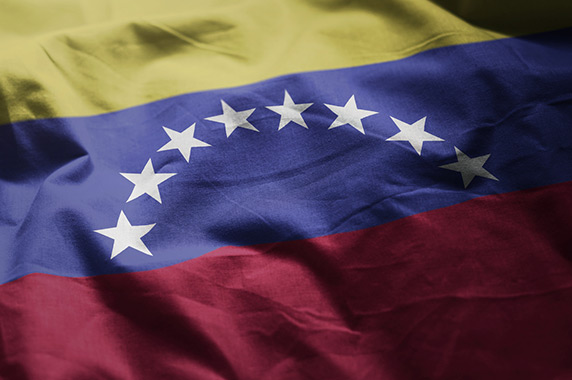
Capital markets restrictions apply to sectors of the Russian, Chinese and Belarussian economies, as well as the Government of Venezuela. Transactions and firm activity that may implicate any entities targeted by such restrictions must be escalated to FCC for review.

Comprehensive Sanctions

Let’s take a closer look at the first of these sanctions categories, comprehensive sanctions. The current comprehensively sanctioned jurisdictions are:

  • Crimea region of Ukraine
  • So-called “Donetsk People’s Republic” and “Luhansk People’s Republic” regions of Ukraine
  • Cuba
  • Iran
  • North Korea

Other countries such as Russia, Belarus, and Venezuela are subject to multiple types of sanctions programs but are not comprehensively sanctioned jurisdictions. Comprehensive sanctions on Syria were removed in 2025; however, several Syria-related individuals, entities, and organizations remain on sanctions lists and are subject to asset freezes. The firm continues to consider Syria a high-risk country for money laundering and corruption.

Our Responsibilities:

If you become aware of any activity with a possible connection to one of these countries/regions, always escalate to your manager, FCC, or divisional Compliance.

Spotlight on Russia

In February 2022, the US, UK, and EU (among others) initiated a variety of broad and highly complex sanctions against Russia in response to its invasion of Ukraine.

These broad sanctions and corresponding prohibitions continue to impact every division within the firm, including Russian clients, global banks and market infrastructure, securities issuers, and other counterparties. In many instances under the Russia sanctions the firm has an obligation to block (i.e., freeze) assets.

While the firm deploys controls to identify and prevent prohibited activity (e.g., restricted Russian securities), if you become aware of any possible connection to a sanctioned individual or entity, or if you have questions about whether certain activity is permissible, including activity in sanctioned blocked accounts, escalate to your manager, FCC, or divisional Compliance.

View the latest firmwide guidance on Russia.

List-based Asset Freeze Sanctions

Next, let’s look at how list-based asset freeze sanctions work.

Select each image to learn more about list-based asset freeze sanctions.

Which activities do list-based asset freeze sanctions target?
Which countries do list-based asset freeze sanctions target?
What are our responsibilities?
How should I raise a concern?

Which activities do list-based asset freeze sanctions target?

List-based asset freeze sanctions target individuals and entities involved in certain illicit activities such as:

  • Transnational criminal organizations
  • Human rights accountability and corruption
  • Narcotics trafficking
  • Cyber-related crimes
  • Rough diamond trade
  • Terrorism
  • Weapons proliferation

Which countries do list-based asset freeze sanctions target?

Targeted individuals and entities can be based in any country, including those that are considered to be lower-risk, such as Canada and the UK. Even if a list-based program exists for a specific country, there could also be additional broad prohibitions within the same jurisdiction.

Some countries/regions in which list-based sanctions exist include:

Afghanistan Hong Kong Somalia
Balkans Iraq South Sudan
Belarus Lebanon Sudan and Darfur
Burma Libya Syria (former Assad Regime)
Central African Republic Mali Venezuela
Democratic Republic of Congo Nicaragua West Bank-Related Sanctions
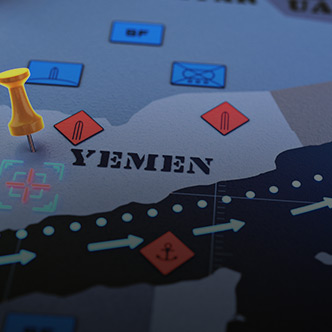
Ethiopia Russia Yemen

What are our responsibilities?

The firm is required to block, (i.e., freeze) any assets in which a list-based asset freeze sanctions target has an interest. The assets are blocked and can only be unblocked if sanctions are lifted or if the activity is authorized by the relevant government authority.

If a list-based program exists for a specific country (e.g., targeting government officials and corrupt actors in Nicaragua), the country is not also subject to comprehensive sanctions. However, there may be certain other restrictions targeting government officials, entities, or specific sectors (e.g., sectoral sanctions). These countries are often considered high-risk for other types of financial crime.

How should I raise a concern?

While the firm deploys screening controls to identify sanctioned parties, if you become aware of any possible connection to a sanctioned individual or entity or have any other sanctions-related concerns, escalate to your manager, FCC, or divisional Compliance.

Capital Markets Restrictions

And finally, let’s look at the third category of government sanctions, capital markets restrictions.

Select each location to see examples of its capital markets restrictions.

Russia
Venezuela
China
Belarus

Russia

The expanded Russia sanctions in 2022 target many sectors of the Russian economy, including energy, defense, and technology. Sanctions now also include broad capital markets restrictions that generally prohibit trading of, or dealing in, new and existing debt and equity of all Russian entities.

These sanctions affect the firm’s ability to deal with securities of companies that operate in, or derive predominant revenue, from Russia. Certain transactions related to the divestment of securities issued by Russian entities are permissible only with Compliance review and approval. Always escalate any Russia exposure to your manager, FCC, or divisional Compliance.

Venezuela

The firm considers Venezuela a high-risk country for money laundering and corruption.

The US government has imposed an asset freeze against the Government of Venezuela and its entities/agencies, including Venezuela’s state-owned oil company Petroleos de Venezuela S.A., (“PdVSA”).

However, Venezuela is not a comprehensively sanctioned jurisdiction and generally, sanctions do not prohibit US persons from conducting business in Venezuela or with non-governmental Venezuelan entities.

Certain transactions related to the divestment of securities issued by the Government of Venezuela are permissible only with Compliance review and approval. Escalate any potential exposure to the Government of Venezuela and its entities/agencies to your manager or Compliance.

China

US sanctions prohibit any purchase or sale of publicly traded securities of entities identified by the US government as a Chinese Military-Industrial Complex company (CMIC).

This means that the firm and its US person clients are prohibited from making new investments in these companies’ securities, including through exchange-traded funds (ETFs) or other mutual funds that hold such securities. If you have questions about whether certain activity with a CMIC entity is permissible, always escalate to your manager or Compliance.

Belarus

In addition to asset freezes against individuals and entities, EU sanctions against Belarus include capital markets restrictions related to the Government of Belarus and import/export-related restrictions on certain Belarus-origin goods such as petroleum products and potash.

Jo’s Story

This real-life example demonstrates the repercussions associated with sanctions breaches. Select the arrow on the right to read Jo’s story.

At a previous company Jo worked for, they had an incident where the company was penalized for a sanctions breach.

It all started so innocently when a team was handling a transaction involving a client from a country subject to sanctions. While they were performing their due diligence, they found that the client had ties to Venezuela, which immediately raised a red flag. However, they also knew that Venezuela is not subject to comprehensive sanctions like Cuba or North Korea, so they approved the transaction.


Soon afterwards the company found themselves under regulatory scrutiny. The client was indirectly majority owned by the Government of Venezuela, an entity subject to asset freeze sanctions. The bank blocked the client’s first payment and reported the transaction to its regulator.


Subsequently, the company received inquiries from the regulator, who found that they missed certain red flags during client onboarding that should have put them on notice of a potential sanctions violation.

The company received a multi-million dollar fine, which ultimately resulted in budget reductions and layoffs. The incident stayed with Jo because the repercussions of the breach had a significant impact not only on the company, but for Jo personally as well.


Key takeaway: Governments expect companies to scrutinize transactions that may be intended to evade sanctions, so we must pay close attention to complex ownership and transaction structures. In addition to capital markets restrictions, more restrictive list-based asset freeze sanctions apply to certain individuals and entities.

When in doubt, escalate to your manager or Compliance.

Scroll down to continue.


Higher Risk Commodities

Certain commodities pose a higher sanctions risk based on where they are produced, the type of counterparties involved, and how they are transported.

  • Some commodity trades result in taking title or physical possession of goods. The underlying goods could originate from a sanctioned country, be trans-shipped through a sanctioned country, or be transported by sanctioned parties (e.g., ships, aircraft).
  • There is a risk that buy/sell counterparties or their clients are sanctioned individuals or entities.
  • Hundreds of vessels and shipping companies are subject to list-based asset freeze sanctions. Shipping activities need to be carefully monitored to avoid physical shipments that involve a sanctioned vessel or shipping company, including trans-shipments of a product through a sanctioned country.

Let’s look at some examples of commodities derived from sanctioned countries.

Select each image to learn more about the commodities.

Metals

Aluminum

  • Certain brands of aluminum are produced in Iran and Russia

Nickel

  • Certain brands of nickel contain Cuban-origin nickel (e.g., Sherritt, a Canadian entity) or nickel produced in Russia

Copper / Cobalt

  • Certain brands of copper or cobalt are produced in Russia

go to next button

Fuel and Crude Oil

Fuel and crude oil are commonly produced in Russia, Iran, Syria, Venezuela, and Cuba.

go to next button

Potash

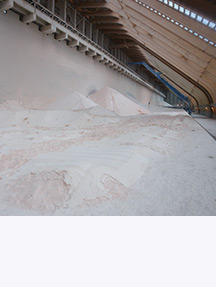
Belarus is the world’s second-largest producer of potash. EU sanctions include an import ban from state-owned producer, Belaruskali.

return to this button

Metals
Fuel and Crude Oil
Potash

The Bottom Line

Sanctions can change quickly and take many different forms. Your role is vital in identifying potential sanctions risks and escalating appropriately.

Know the red flags that require you to escalate and do so as soon as possible.

The Sum of It

It’s almost time to test what you have learned in this training. But before you go, let’s take a moment to reflect on the key takeaways of this training.

Scroll down to continue.

You Are Our Best Defense

Take KYC seriously but don’t stop there. You must continuously monitor for any suspicious activities. Our best defense is our people.

Do not reveal any potential suspicions you may have to your client. Escalate any red flags to FCC or divisional Compliance.

Our Collective Responsibility

Protect yourself, our customers, and the firm by doing your part.

Stay vigilant and escalate any red flags of financial crime, questions or concerns to FCC or divisional Compliance.

Know the red flags that require you to stop and escalate.

Sanctions Are Dynamic

Sanctions are dynamic and may change rapidly in response to geo-political events. Violations of sanctions are evaluated on a strict liability basis. This means that an entity may be held liable for violations without having intent or knowledge that certain activity is a violation. These violations may carry substantial monetary and criminal penalties.

You play a critical role in ensuring that potential sanctions risks are escalated to your managers, FCC and divisional Compliance in a timely manner.

Sanctions Take Different Forms

Countries and regions subject to comprehensive sanctions include:

  • Cuba
  • Iran
  • North Korea
  • The Crimea region of Ukraine
  • The so-called “Donetsk People’s Republic” and “Luhansk People’s Republic” regions of Ukraine

Other countries subject to broad (but not comprehensive) sanctions include:

  • Russia
  • Belarus
  • Venezuela

Individuals and entities can be added to an asset freeze list which requires the firm to freeze all associated assets.

Entities that are owned 50% or more by asset freeze targets are automatically sanctioned, even if they do not appear on a sanctions list.

Capital markets restrictions are applicable to all Russian entities, certain Chinese companies, the Government of Venezuela, and the Government of Belarus.

You are the firm’s best defense in complying with government sanctions!

Scroll down to continue.

John Smith, a high-net-worth entrepreneur, is seeking to establish a relationship with Goldman Sachs Wealth Management (WM). He meets the firm's client criteria and has engaged with a Private Wealth Advisor (PWA). During discussions, John discloses that a substantial portion of his wealth originates from investments and sales of cryptocurrency.

As a WM Professional responsible for his onboarding, which of the following is the most appropriate course of action?

Select the best response and then select Submit.

Please use the tab and shift tab keys only to access each option and the Submit button with the keyboard. The up and down arrow keys are not fully supported. You can use the Enter or Space key to select a radio option or the Submit button with the keyboard.

"Globex Corporation," an established client, has historically shown consistent, moderate transaction volumes. Recently, the firm’s surveillance flagged a sudden, significant increase in incoming wire transfers to Globex Corporation’s account, primarily from entities registered in a jurisdiction known for its strict banking secrecy laws and limited beneficial ownership transparency. While the stated purpose of these transfers is "consulting fees," the amounts seem disproportionately high compared to Globex Corporation’s usual business profile and publicly available financial statements. When the relationship manager asks for additional documentation regarding the source of these funds and the nature of the consulting services, the client delays providing comprehensive details and emphasizes the need for "utmost discretion" due to "competitive sensitivities."

Which of the following actions is the most appropriate to take regarding Globex Corporation?

Select the best response and then select Submit.

Please use the tab and shift tab keys only to access each option and the Submit button with the keyboard. The up and down arrow keys are not fully supported. You can use the Enter or Space key to select a radio option or the Submit button with the keyboard.

Sam, a trader in GBM Public, receives a phone call from Marc Settle, a longstanding customer who holds positions in illiquid bonds. Marc is concerned about his positions as there has been significant selling interest in one of his illiquid bonds recently, which is causing the value of his positions to drop, and his fund is under pressure. Earlier in the day, a different holder of the same bond requested Sam to sell off his position. Marc wants to take this opportunity and asks Sam if Goldman Sachs can work with him to “help his fund out” by selling his bond, for which he is willing to pay significantly over market value. Marc tells Sam, "I need the bond prices back up in the market to a certain level by the end of the quarter” and asks him to give him a call back when he has the bond. The conversation abruptly ends.

Which of the following represents the complete correct answer?

Select the best response and then select Submit.

Please use the tab and shift tab keys only to access each option and the Submit button with the keyboard. The up and down arrow keys are not fully supported. You can use the Enter or Space key to select a radio option or the Submit button with the keyboard.

Mr. John Doe, a long-standing client, contacts his PWA, Susan, requesting an immediate wire transfer of a significant sum to a newly established bank account. This request comes via a hastily written email, which mentions a "time-sensitive investment opportunity" and includes bank details in an unfamiliar foreign country. The email address appears correct, but the tone and spelling differ from Mr. Doe's usual communication style, and he usually calls for such significant requests. The wealth manager notices that the attached "investment prospectus" looks amateurish and contains several grammatical errors.

Given the potential for identity theft, which of the following is the most appropriate initial action Susan should take?

Select the best response and then select Submit.

Please use the tab and shift tab keys only to access each option and the Submit button with the keyboard. The up and down arrow keys are not fully supported. You can use the Enter or Space key to select a radio option or the Submit button with the keyboard.

Joe, an analyst, working on the trading desk, inadvertently gains access to highly confidential information about a pending M&A deal that GBM Private is advising on. This information, detailing the acquisition of "Advent Corp." by "Acme Inc." at a significant premium, is considered material and non-public. Recognizing its market-moving potential, Joe uses this information to execute trades in Advent Corp.'s stock, leading to substantial profits for the proprietary trading desk before the merger is publicly announced.

Do you identify any concerns with the scenario?

Select the best response and then select Submit.

Please use the tab and shift tab keys only to access each option and the Submit button with the keyboard. The up and down arrow keys are not fully supported. You can use the Enter or Space key to select a radio option or the Submit button with the keyboard.

Upon reviewing onboarding documents provided by a prospective GBM Public client, you notice the company derives 15% of their revenue from business ventures indirectly operating in Iran and has two subsidiaries domiciled in Venezuela that support the local energy sector through government contracts. The prospective client’s attestation to the firm states they are compliant with relevant sanctions regulations, including those administered by the U.S. Department of the Treasury’s Office of Foreign Assets Control.

What action should you take?

Select the best response and then select Submit.

Please use the tab and shift tab keys only to access each option and the Submit button with the keyboard. The up and down arrow keys are not fully supported. You can use the Enter or Space key to select a radio option or the Submit button with the keyboard.

A client based in Germany wants to transfer a portfolio of securities from another financial institution to the firm. The portfolio includes securities issued by a financial institution located in Russia, which is owned by a prominent Russian oligarch. The client assures you the securities are not subject to sanctions restrictions and promises to bring in a lot of future business if you can make the transfer happen.

Which of the following actions should you take?

Select the best response and then select Submit.

Please use the tab and shift tab keys only to access each option and the Submit button with the keyboard. The up and down arrow keys are not fully supported. You can use the Enter or Space key to select a radio option or the Submit button with the keyboard.

A client based in Germany wants to transfer a portfolio of securities from another financial institution to the firm. The portfolio includes securities issued by a financial institution located in Russia, which is owned by a prominent Russian oligarch. The client assures you the securities are not subject to sanctions restrictions and promises to bring in a lot of future business if you can make the transfer happen.

Which of the following actions should you take?

Select the best response and then select Submit.

Please use the tab and shift tab keys only to access each option and the Submit button with the keyboard. The up and down arrow keys are not fully supported. You can use the Enter or Space key to select a radio option or the Submit button with the keyboard.

Attestation

Scroll down to continue.

FCC Anti-Money Laundering (AML) and Government Sanctions 2025
 

go to close button