Fighting Financial Crime: What You Need to Know
Our Strongest Defense: You
Goldman Sachs has strong systems and controls to prevent and detect financial crime. But our people are our best defense. Your actions and good judgment matter most. We all share a commitment to doing the right thing.
What Will This Training Cover?
You already completed the Anti-Bribery and Corruption training earlier this year. This training builds on what you learned there. The training covers two key topics:
- Anti-Money Laundering — how to spot and stop potential money laundering
- Government Sanctions — rules about who we can and cannot do business with
You will learn how to spot warning signs and report concerns to the Financial Crime Compliance (FCC) team or your division's Compliance team.
Why Does This Matter to You?
It does not matter where you work, what team you are on, or what you do each day. Every employee of the firm is expected to be alert to, and escalate, red flags indicating possible financial criminal activity.
Scroll down to continue.

Learning Objectives
At the end of this training, you should be able to:
- Explain key concepts related to AML and Government Sanctions
- Describe how we comply with AML and Government Sanctions laws and regulations
- Recognize the requirements of the Know Your Customer (KYC) process
- Identify red flags of financial crime risk and recognize when and how to escalate
- Identify types of Government Sanctions and comprehensively sanctioned jurisdictions
Let’s get started.
Know Your Customer (KYC) Basics
Why This Matters
Regulators continue to crack down on financial crime failures. Over the past year, they fined financial firms about $8 billion. These fines targeted firms that failed to meet financial crime rules. The consequences go beyond fines, however. Firms also faced:
- Caps on assets (limits on how much a firm can hold)
- Independent monitors (outside experts assigned to watch over the firm)
- Restrictions on new business (limits on taking on new clients or activities)
Everything Begins with Knowing Your Customer
The people who work closely with clients are the firm's first line of defense. This includes relationship managers and front-office staff.
What Does "Know Your Customer" Mean?
If you work directly with clients, you must:
- Know who your clients are (understand their background and identity)
- Understand where their money comes from (learn how they earned their funds and wealth)
- Monitor their activity (pay attention to the transactions they make through the firm)
- Watch for warning signs (stay alert to anything unusual or suspicious)
- Speak up (report any concerns right away through proper channels)
Even if you do not work directly with clients, understanding these basics helps you support the firm's efforts to prevent financial crime.
Scroll down to continue.





The Bottom Line
Know your client, keep them current, watch relentlessly for red flags, never tip off, and escalate immediately.

Other Financial Crime-Related Risks
Stay alert and aware of evolving risks and potential red flags.
Scroll down to continue.



Terrorist Financing
Similar to crypto activities, terrorist financing can be challenging to detect because perpetrators may disguise the proceeds of illegal activity to appear legitimate.
Three indicators of Terrorist Financing
There are three main types of warning signs. Learn to spot each one.
Select each image to view some examples.
Financial Indicators
Watch for unusual money movements, including:
- Multiple, small transactions that do not match the customer's normal activity, sent to unknown people
- Multiple transfers in or out with no clear business reason, especially involving areas known for terrorism
- Payments to organizations where the transaction does not make sense for that organization's stated purpose
- Transactions with non-profit organizations where the non-profit:
- Works in or near areas known for terrorism
- Runs fundraising or operations that lack transparency
go to next button
Behavioral Indicators
Watch for sudden changes in how a customer communicates whether online, in person, or by phone. These changes may signal extremist ties when combined with any of the following:
- Praising violence or extremist beliefs, or celebrating attacks
- Travel to places where extremist groups operate, and the travel seems unusual for them
- Calls for violence against individuals, military, government officials, law enforcement, or civilians
go to next button
Account Indicators
Watch for suspicious account activity, including:
- Someone opens an account in the name of a person or group linked to terrorism
- A customer repeatedly tries to hide who owns the account or who receives the funds, especially when those parties are in or near areas known for terrorism
return to this button





Spotlight on Payments to High-Risk Jurisdictions
The firm identifies certain jurisdictions as high risk (internally referred to as List 4 jurisdictions) because they reflect strategic AML deficiencies that increase our exposure when payments are sent to, from, or through these locations (see the Firmwide Annex on Country Lists. Payments involving high risk jurisdictions may be exploited to move, layer, or disguise illicit funds and therefore warrant heightened attention.
When entering or reviewing payment instructions involving List 4 jurisdictions, the following AML red flags may indicate unusual or potentially suspicious activity and should prompt additional scrutiny:
- Unclear payment rationale: The stated purpose is vague, generic, or inconsistent with the transaction amount or expected activity
- Unclear or mismatched parties: Beneficiary or counterparty details do not align with expectations, or third-parties are involved without a clear business rationale
- Poor-quality payment data: Originator or beneficiary information is missing, incomplete, or inconsistent, or routing appears unusual for the transaction
- Pressure or avoidance behavior: Requests to bypass controls, urgency inconsistent with the transaction, reluctance to provide support, or attempts to split or retry payments to avoid review
- Out-of-pattern activity: The transaction does not align with the customer’s typical business activity, geography, or payment behavior
If a single red flag is identified, pause to validate the transaction by confirming details and requesting appropriate supporting information through normal processes.
If multiple red flags are present, or if there are indicators of concealment, evasion, or deception, the activity should be escalated to FCC.
The Bottom Line
Stay vigilant: know your customer, monitor activity, and respect account restrictions. If something feels off, stop, and escalate.

Business and Country-Specific Requirements
The firm’s broader AML Program includes important and targeted content you should know depending on your business area and office location.
By staying informed about business and country-specific requirements, as well as our global firmwide guidelines, we can better navigate the complex regulatory landscape, mitigate risks, and demonstrate our commitment to financial crime compliance.
Scroll down to continue.
Your Country Requirements
In addition to firmwide global requirements, country-specific regulations also apply and must be understood.
If you reside, provide support to, or do business in any of the jurisdictions listed here, select that location and familiarize yourself with the country-specific information. If you do not reside, provide support to, or do business in any of the jurisdictions listed below, you can continue past this section of the training.
Once you have read the information provided, close out of the PDF and find the course window in your browser to continue with this training.
EU Anti-Money Laundering Reform: What You Need to Know
What Is Changing?
- From 10 July 2027, the EU AML package introduces a single Anti Money Laundering Regulation (AMLR), replacing divergent national AML transposition regimes.
- Establishment of a new EU level supervisor, the Anti Money Laundering Authority (AMLA).
- Shift from nationally driven approaches to a uniform EU wide supervisory and enforcement model.
What Will AMLA Do?
- Direct AML supervision of selected obliged entities.
- Indirect oversight of national competent authorities supervising other obliged entities.
- Central coordination of supervisory standards, onsite inspections and thematic reviews, and enforcement expectations across the EU.
What Does This Mean for Our Firm?
- Increased harmonization of AML/CFT requirements across EU jurisdictions.
- Reduced national discretion in interpretation and application of AML rules.
- Stronger group wide accountability for AML/CFT governance across EU entities and branches.

The Bottom Line
Stay updated on your business and local requirements, spot red flags early, and escalate immediately.

Sanctions
Sanctions take many different forms and include many countries. They are constantly evolving and require us to be vigilant as conditions across the world change.
Scroll down to continue.
Types of Government Sanctions
Economic sanctions come in different forms. They generally fall into three categories.
Select each image to learn more about each economic sanctions category.




Comprehensive Sanctions
These are the broadest types of sanctions. They block most firm activity that involves a comprehensive sanctioned country or region.
This includes activity that is:
- Directly or indirectly tied to the government of that country
- Connected to any person living in that country
- Linked to any company based in or created under the laws of that country
In short: The firm cannot do almost any business with these countries.

List-Based Asset Freeze Sanctions
These sanctions target specific people and companies involved in illegal activities.
- Governments and international groups create lists of sanctioned individuals and companies.
- The firm cannot do any business with anyone on these lists.
- If a person or company appears on a sanctions list, the firm must freeze their assets (hold their money and block all transactions).
In short: The firm checks every client and counterparty against these lists before doing business.

Capital Markets Restrictions
These sanctions limit certain financial activities tied to specific countries and sectors.
They currently apply to parts of the economies of:
- Russia
- China
- Belarus
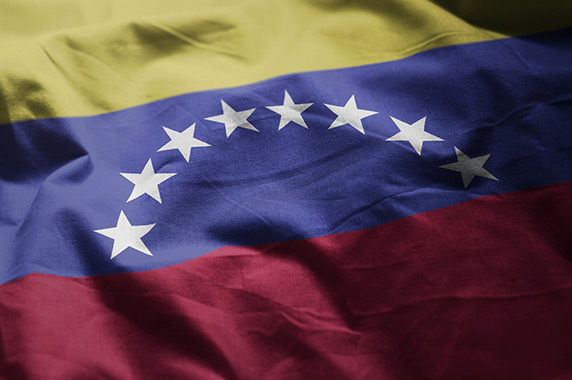
- The Government of Venezuela
If any transaction or firm activity may involve a company or sector covered by these restrictions, you must send it to the Financial Crime Compliance team for review.
In short: Do not move forward with these transactions on your own. Always escalate.

What You Should Do
- Never do business with comprehensive sanctioned countries or regions without approval.
- Always check if a client, company, or deal has ties to any of these places.
- Treat Syria with caution. The rules changed, but risks remain.
- Ask the FCC team if you are unsure about any country or transaction.

List-based Asset Freeze Sanctions: How They Work
This is the second type of sanctions. These sanctions target specific people and companies — not entire countries.
Select each image to learn more about list-based asset freeze sanctions.



Governments place people and companies on sanctions lists when they are involved in illegal or harmful activities, such as:
- Criminal organizations that operate across borders
- Human rights abuses and corruption
- Drug trafficking
- Cybercrimes (crimes committed using computers or the internet)
- Rough diamond trade (trading uncut diamonds linked to conflict)
- Terrorism
- Weapons spreading (helping banned weapons reach dangerous groups)
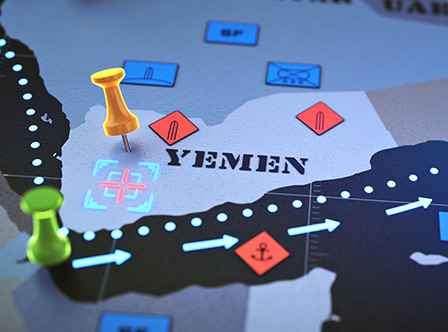
Sanctioned people and companies can be based anywhere in the world. This includes countries most people consider low risk, like Canada and the United Kingdom.
Here are some countries and regions where list-based sanctions currently exist:
| Afghanistan | Hong Kong | Somalia |
| Balkans | Iraq | South Sudan |
| Belarus | Lebanon | Sudan and Darfur |
| Burma | Libya | Syria (former Assad Regime) |
| Central African Republic | Mali | Venezuela |
| Democratic Republic of Congo | Nicaragua | West Bank-Related Sanctions |
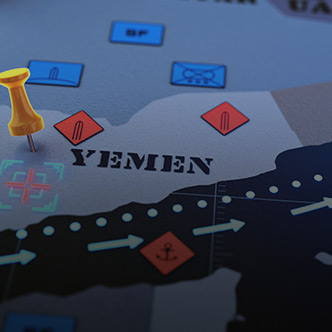
| Ethiopia | Russia | Yemen |
Important: Just because a country has a list-based program does not mean the entire country is comprehensively sanctioned. However, there may be other restrictions on government officials, companies, or specific industries in that country.

The firm:
- Must block (freeze) any assets connected to a person or company on a sanctions list.
- Cannot release those assets unless:
- The government lifts the sanctions, or
- The government gives specific permission to release them
Are these countries also high-risk?
- Countries with list-based sanctions are often high-risk for other types of financial crime.
- Even if a country is not comprehensively sanctioned, the firm may still face extra restrictions on deals with that country's government, officials, or certain industries.

The firm uses screening tools to catch sanctioned names. But these tools cannot catch everything.
If you notice any possible link to a sanctioned person or company, take action right away:
- Tell your manager
- Contact the FCC team
- Reach out to your divisional Compliance team
Do not wait. Report your concern even if you are not sure. It is always better to ask than to miss something.
Russia
The expanded sanctions from 2022 target many parts of the Russian economy, including:
- Energy
- Defense
- Technology
What Do These Restrictions Mean?
- The firm generally cannot trade or deal in new or existing stocks and bonds from Russian companies.
- These rules affect any company that operates in Russia or derive most of its revenue from Russia.
What You Should Do
- Always escalate any Russia-related exposure to your manager, the Financial Crime Compliance team, or your divisional Compliance team.
Venezuela
The firm treats Venezuela as a high-risk country for money laundering and corruption.
What Do These Restrictions Mean?
- The U.S. government has frozen the assets of the Government of Venezuela and its agencies. This includes PdVSA (Venezuela's state-owned oil company).
- Venezuela is not a comprehensive sanctioned country.
- The firm may allow some transactions in securities issues by the Government of Venezuela in accordance with established guidelines.
- U.S. sanctions on Venezuela continue to evolve, and the U.S. government has issued some authorizations primarily focused on the Venezuelan oil, gas, and mining sectors.
What You Should Do
- Escalate any possible connection to the Government of Venezuela or its agencies, and/or any new proposed activity with touchpoints to Venezuela, to your manager or Compliance.
China
What Do These Restrictions Mean?
- U.S. sanctions ban buying or selling publicly traded securities of companies the U.S. government labels as Chinese Military-Industrial Complex companies (CMIC).
- The firm and its U.S. clients cannot make new investments in these companies' securities.
- This ban also covers exchange-traded funds (ETFs) (funds that hold a basket of stocks and trade on an exchange) and mutual funds that include CMIC securities.
What You Should Do
- Always ask your manager or Compliance before doing any business with a CMIC company.
Belarus
What Do These Restrictions Mean?
- The European Union has frozen the assets of specific people and companies in Belarus.
- EU sanctions also include capital markets restrictions tied to the Government of Belarus.
- The EU has placed import and export bans on certain goods from Belarus, such as:
- Petroleum products (oil-based fuels and materials)
- Potash (a mineral used in fertilizer)
What You Should Do
Never trade restricted securities without Compliance approval.
Escalate immediately if you spot any link to these countries in a transaction.
Ask questions first. Contact your manager, the FCC team, or your divisional Compliance team before acting.





Example of Higher Risk Commodities
Let’s look at some examples of commodities derived from sanctioned countries.
Select each image to learn more about the commodities.
Metals
Aluminum
- Certain brands of aluminum are produced in Iran and Russia
Nickel
- Certain brands of nickel contain Cuban-origin nickel (e.g., Sherritt, a Canadian entity) or nickel produced in Russia
Copper / Cobalt
- Certain brands of copper or cobalt are produced in Russia
go to next button
Fuel and Crude Oil
These are commonly produced in:
- Russia
- Iran
- Syria
- Venezuela
- Cuba
go to next button
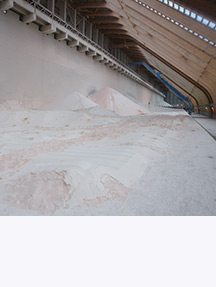
Potash
- Belarus is the world's second-largest producer of potash (a mineral used in fertilizer)
- The European Union bans imports from Belaruskali, the state-owned producer in Belarus
return to this button


The Bottom Line
Before you trade: investigate, screen every name, trace every route, and escalate.

The Sum of It
It’s almost time to test what you have learned in this training. But before you go, let’s take a moment to reflect on the key takeaways of this training.
Scroll down to continue.


Scroll down to continue.
Sarah Chen, a successful business owner, approaches the firm's Wealth Management division to open an account. She meets all client criteria and has been assigned a Private Wealth Advisor. During the onboarding process, Sarah mentions that she recently sold a large commercial property in a country known for higher corruption risk. She wants to transfer the sale proceeds into her new account immediately.
As the Wealth Management professional handling her onboarding, what is the most appropriate course of action?
Select the best response and then select Submit.
Please only use the tab and shift tab keys to access each option and the Submit button with the keyboard. Then only use the Enter or Space key to select an option or the Submit button with the keyboard. The up and down arrow keys are not fully supported. If the screen reader suggests that you use the arrow keys to change an option, please ignore this. Continue using the tab and shift tab keys and then Enter or Space keys to change an option. If you stop hearing the screen reader use the tab key to reset the focus.
That’s correct.
The firm must complete the full KYC process before opening the account or accepting any funds. This includes verifying Sarah's identity, understanding where her money comes from, and evaluating the risk tied to the country involved. If anything raises concerns, the team must escalate to FCC right away. Meeting client criteria alone does not remove the need for thorough due diligence.
Sorry, that’s not quite right.
Sorry, that's not right.
Meridian Holdings, a long-standing client, has always maintained steady and predictable account activity. Over the past three weeks, the firm's monitoring system flags a sharp spike in incoming wire transfers. The transfers come from multiple shell companies registered in a jurisdiction known for strict banking secrecy and weak rules on revealing true owners.
Meridian Holdings describes the payments as "advisory fees," but the amounts far exceed what the company typically earns based on its known business and public financial records. When the relationship manager requests supporting documents about the services provided and the source of funds, the client provides vague responses, pushes back on the requests, and insists the firm handle the matter with "maximum confidentiality" due to "sensitive business arrangements."
As the professional responsible for this client relationship, what is the most appropriate course of action?
Select the best response and then select Submit.
Please only use the tab and shift tab keys to access each option and the Submit button with the keyboard. Then only use the Enter or Space key to select an option or the Submit button with the keyboard. The up and down arrow keys are not fully supported. If the screen reader suggests that you use the arrow keys to change an option, please ignore this. Continue using the tab and shift tab keys and then Enter or Space keys to change an option. If you stop hearing the screen reader use the tab key to reset the focus.
That’s correct.
Multiple red flags are present: a sudden spike in transaction volume, funds arriving from secretive jurisdictions through shell companies, amounts that do not match the client's known business profile, vague responses to document requests, and pressure for secrecy. The firm must escalate these concerns to the FCC team immediately and pause further processing until the team completes its review. This follows standard anti-money laundering procedures designed to protect the firm from legal and regulatory exposure.
Sorry, that’s not quite right.
Sorry, that's not right.
Sam, a trader in GBM-Public, receives a call from Marc Settle, a long-time client who holds positions in several illiquid bonds. Marc expresses concern because there has recently been a surge in selling activity for one of these bonds, which is driving down its value and putting pressure on his fund. Shortly after Marc’s call, another investor who holds the same bond contacts Sam and asks him to sell off their position as well.
Sam contacts Marc to gauge his interest in purchasing the bonds, given Marc’s prior involvement. Marc responds by requesting that Goldman Sachs “help his fund out” by acquiring the bonds from the other client and then reselling them to him at a price well above the current market value. He tells Sam, "I need the bond prices to reach a specific level in the market by the end of the quarter," and asks Sam to call him once he has secured the bonds. The conversation ends abruptly.
Which of the following represents the complete correct answer?
Select the best response and then select Submit.
Please only use the tab and shift tab keys to access each option and the Submit button with the keyboard. Then only use the Enter or Space key to select an option or the Submit button with the keyboard. The up and down arrow keys are not fully supported. If the screen reader suggests that you use the arrow keys to change an option, please ignore this. Continue using the tab and shift tab keys and then Enter or Space keys to change an option. If you stop hearing the screen reader use the tab key to reset the focus.
That’s correct.
Given the client has a large position in the illiquid bonds and is willing to pay significantly above market price. It is possible they are seeking to artificially inflate the price of the bond, which could benefit his fund in their quarterly reporting. This situation is a red flag for market manipulation and needs to be investigated.
Sam should not disregard the suspicious activity and should immediately escalate to Compliance and his supervisor.
Sorry, that’s not quite right.
Sorry, that's not right.
Lisa Park, a Private Wealth Advisor, receives an urgent email from a long-standing client, Mr. David Grant, requesting an immediate wire transfer of $2.3 million to a bank account in a country where Mr. Grant has no known business or personal ties. The email states the transfer is for a "once-in-a-lifetime real estate deal" that must close by end of day.
Lisa notices several unusual details: the email contains spelling mistakes Mr. Grant never makes, it lacks his usual formal greeting, and it includes a PDF attachment labeled "Deal Summary" that appears poorly formatted with a generic logo. Mr. Grant typically calls Lisa directly for large transactions and follows up with a signed letter of authorization.
As the advisor responsible for this client's account, what is the most appropriate initial action Lisa should take?
Select the best response and then select Submit.
Please only use the tab and shift tab keys to access each option and the Submit button with the keyboard. Then only use the Enter or Space key to select an option or the Submit button with the keyboard. The up and down arrow keys are not fully supported. If the screen reader suggests that you use the arrow keys to change an option, please ignore this. Continue using the tab and shift tab keys and then Enter or Space keys to change an option. If you stop hearing the screen reader use the tab key to reset the focus.
That’s correct.
When a transfer request contains multiple red flags — unusual tone, spelling errors, unfamiliar destination country, urgency pressure, and a departure from the client's normal communication habits — the advisor must verify the client's identity through an independent, trusted channel. Calling Mr. Grant on a phone number the firm already has on file is the safest way to confirm whether he actually sent the request. This step protects both the client and the firm from fraud and potential financial loss.
Sorry, that’s not quite right.
Sorry, that's not right.
Rachel, a junior trader on the equities desk, overhears a phone conversation between two senior bankers in the elevator. They discuss a confidential, unannounced takeover bid where "Pinnacle Ltd." plans to acquire "Summit Corp." at a 40% premium to the current share price. Later that afternoon, Rachel purchases a large number of Summit Corp. call options through her personal brokerage account. After the deal becomes public two weeks later, Rachel sells the options for a significant profit.
Which of the following best describes the primary concern with Rachel's actions?
Select the best response and then select Submit.
Please only use the tab and shift tab keys to access each option and the Submit button with the keyboard. Then only use the Enter or Space key to select an option or the Submit button with the keyboard. The up and down arrow keys are not fully supported. If the screen reader suggests that you use the arrow keys to change an option, please ignore this. Continue using the tab and shift tab keys and then Enter or Space keys to change an option. If you stop hearing the screen reader use the tab key to reset the focus.
That’s correct.
Rachel used MNPI to trade for personal profit.
It does not matter how she obtained the information, whether she was formally told, accidentally overheard it, or received it through any other means. Once she possessed MNPI about the Pinnacle-Summit deal, she had a legal and firm obligation not to trade on it. Her actions constitute insider trading, which violates securities laws and the firm's policies.
Sorry, that’s not quite right.
Sorry, that's not right.
Upon reviewing onboarding documents provided by a prospective PWM client, you notice the prospect is a Russian and UK national living in Dubai. He is a finance professional who held senior roles at multiple institutions prior to those institutions being designated by OFAC, OFSI, and EU. The prospect himself is not sanctioned by any competent authority. The prospective client’s source of wealth primarily derived from his employment, as well as having real estate investments in Russia.
What action should you take?
Select the best response and then select Submit.
Please only use the tab and shift tab keys to access each option and the Submit button with the keyboard. Then only use the Enter or Space key to select an option or the Submit button with the keyboard. The up and down arrow keys are not fully supported. If the screen reader suggests that you use the arrow keys to change an option, please ignore this. Continue using the tab and shift tab keys and then Enter or Space keys to change an option. If you stop hearing the screen reader use the tab key to reset the focus.
That’s correct.
All sanctions touchpoints must be escalated to and reviewed by FCC to determine whether the relevant activity is prohibited and/or within the firm’s risk appetite. Even where such activity is permissible, additional action(s) may be required to mitigate risk for the firm.
Sorry, that’s not quite right.
Sorry, that's not right.
A client based in Luxembourg wants to transfer a portfolio of securities from another financial institution to the firm. The portfolio includes securities issued by institutions that are located, operate, and derive majority revenue from Russia. The client assures you the securities are not subject to sanctions restrictions and promises to bring in a lot of future business if you can make the transfer happen.
Which of the following actions should you take?
Select the best response and then select Submit.
Please only use the tab and shift tab keys to access each option and the Submit button with the keyboard. Then only use the Enter or Space key to select an option or the Submit button with the keyboard. The up and down arrow keys are not fully supported. If the screen reader suggests that you use the arrow keys to change an option, please ignore this. Continue using the tab and shift tab keys and then Enter or Space keys to change an option. If you stop hearing the screen reader use the tab key to reset the focus.
That’s correct.
There are numerous and complex sanctions against Russia that include prohibitions on dealing in nearly all Russian-issued securities. You should not rely on statements regarding the applicability of sanctions to a particular transaction – always escalate to Compliance.
Sorry, that’s not quite right.
Sorry, that's not right.
Attestation
Scroll down to continue.